

Next-generation antibiotics for all.
GARDP is a not-for-profit global health organization driven to protect people from the rise and spread of drug-resistant infections, one of the biggest threats to us all. By carrying out research and development and forging public-private partnerships, GARDP is ensuring that the right antibiotics are developed and reach the people who need them.
Highlights
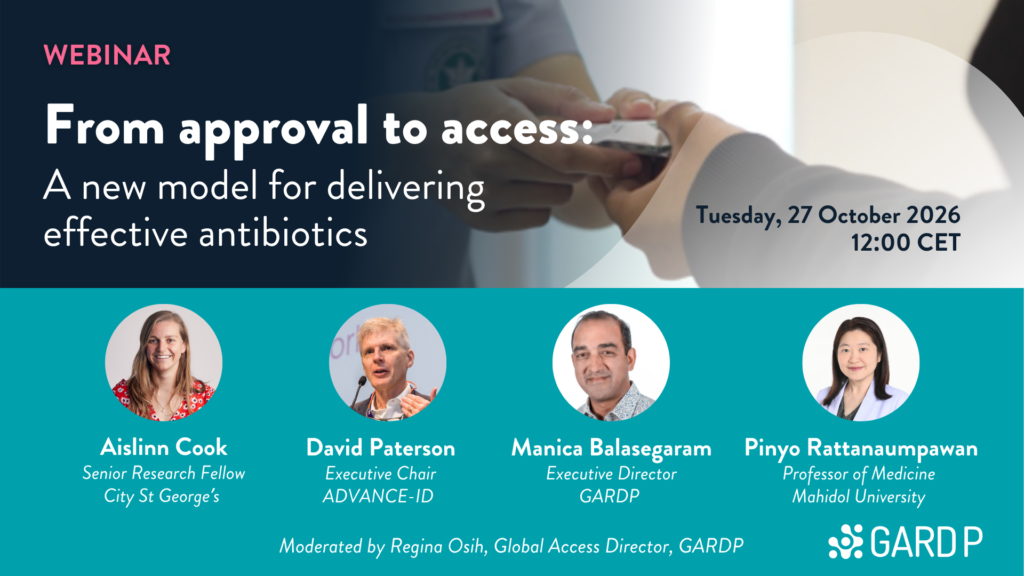
Webinar – From approval to access: A new model for delivering effective antibiotics

Sepsis: A race against time – and against resistance.
In parts of the world, antibiotic overuse isn’t the problem — underuse is
NUZOLVENCE® (zoliflodacin) nominated for prestigious 2026 Prix Galien USA Award, recognizing a new public-private partnership model for antibiotic innovation
Thai FDA approves NUZOLVENCE® (zoliflodacin) in July, just six months after US authorization
A global health crisis is unfolding.
Every 6 seconds, a life is lost to antimicrobial resistance.
Bacteria are evolving, and existing antibiotics are losing power, making once-treatable infections deadly again.
Antimicrobial resistance (AMR) threatens everyone, everywhere.
Drug-resistant infections have reached an alarming tipping point.

lives lost each year globally, making AMR one of the world’s biggest killers

in AMR deaths by 2050
bacterial infections are resistant to existing antibiotics
Drug-resistant infections, especially those caused by Gram-negative bacteria, are now outpacing our ability to treat them, undermining modern medicine.
And global challenges like conflict, climate change and human migration are compounding the crisis.
A radical shift is urgently needed to tackle AMR.
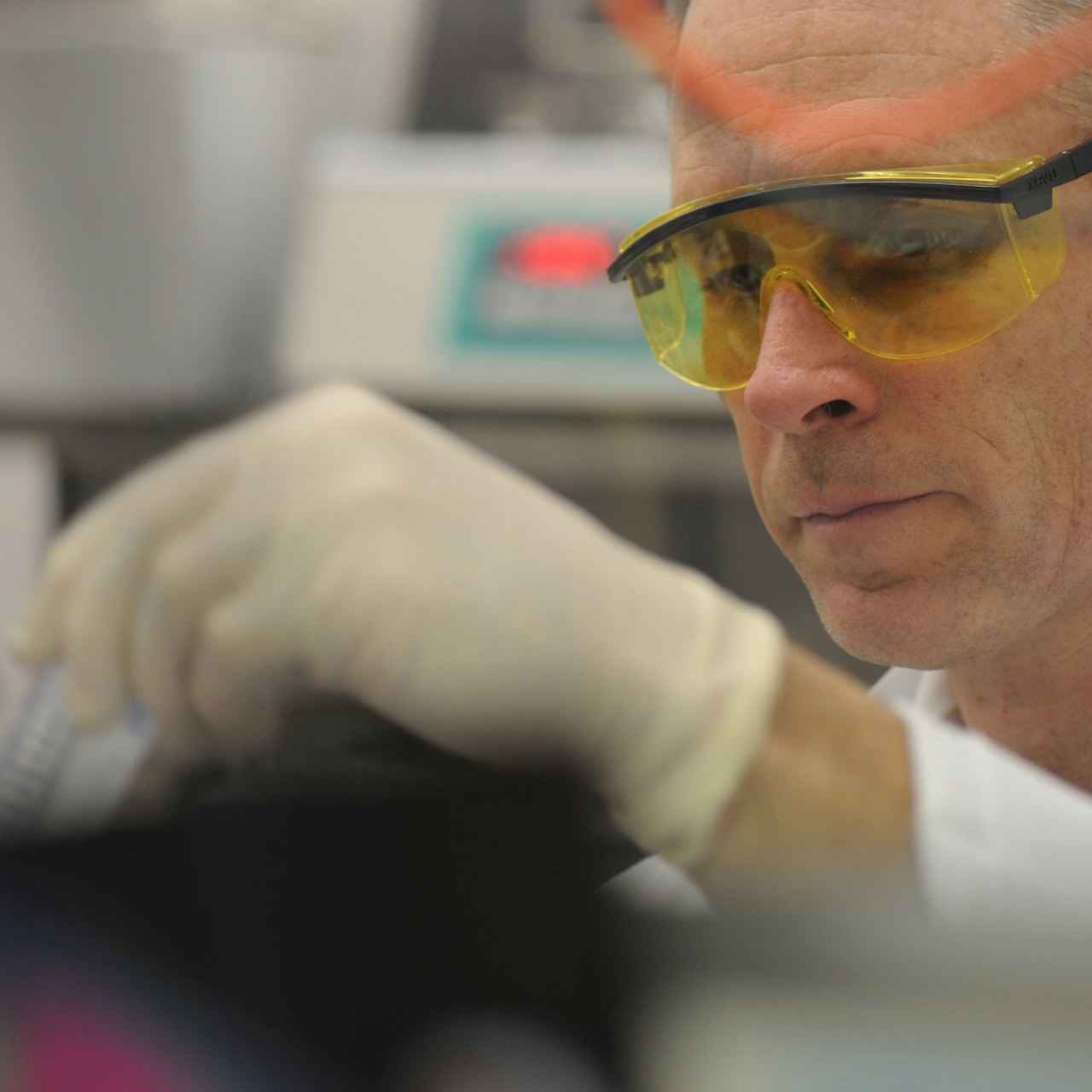
GARDP is countering drug resistance.
The global antibiotic pipeline is drying up and remains off course. Of the 90 antibacterials in development today, only five are both innovative and tackle pathogens of greatest threat to public health.
GARDP is developing next-generation antibiotic treatments, particularly those that are effective against the most difficult-to-treat Gram-negative infections.
GARDP is making the right antibiotics available, where they are needed the most, by factoring access into every stage of antibiotic development. Its work ranges from scientific discovery and R&D to supporting the manufacturing, registration and introduction of treatments.

partners across 27 countries driving innovation and access.

treatments in development targeting WHO priority pathogens.

pre-clinical compounds screened.

in-licensing agreements.
Media coverage
Sepsis: A race against time – and against resistance.
Read more
The Silent Killer Threatening Children
Read more
Blueprint to Combat Neonatal Sepsis and AMR in Bangladesh
Read more
The Reign of Superbugs in Bangladesh’s ICUs and NICUs: A Silent Pandemic
Read more
In parts of the world, antibiotic overuse isn’t the problem — underuse is
Read more
New drug for super-gonorrhoea points to better antibiotic development
Read more
Thai FDA approves NUZOLVENCE® (zoliflodacin) in July, just six months after US authorization
Read more
Multi-centric study to contain antimicrobial resistant neonatal sepsis begins in India
Read more
Why a surge in sexually transmitted infections in Europe should worry everybody
Read more